

Have you ever wondered why our grandparents say they were healthier at 20–30 years old than people are today?
They didn’t have supplements or fitness apps… but they had one important thing:
Daily natural movement.
Today, we sit more than we move, and our bodies were not made for this.
What Is a Sedentary Lifestyle? (And why it is a new term)
The word sedentary is actually very new. It appeared in the 1970s–1980s, when scientists and the World Health Organisation began to study the rise of heart diseases caused by lack of movement. ( WHO )
Before the 1970s, people did not even need this word because movement was normal.
Humans Were Made to Move
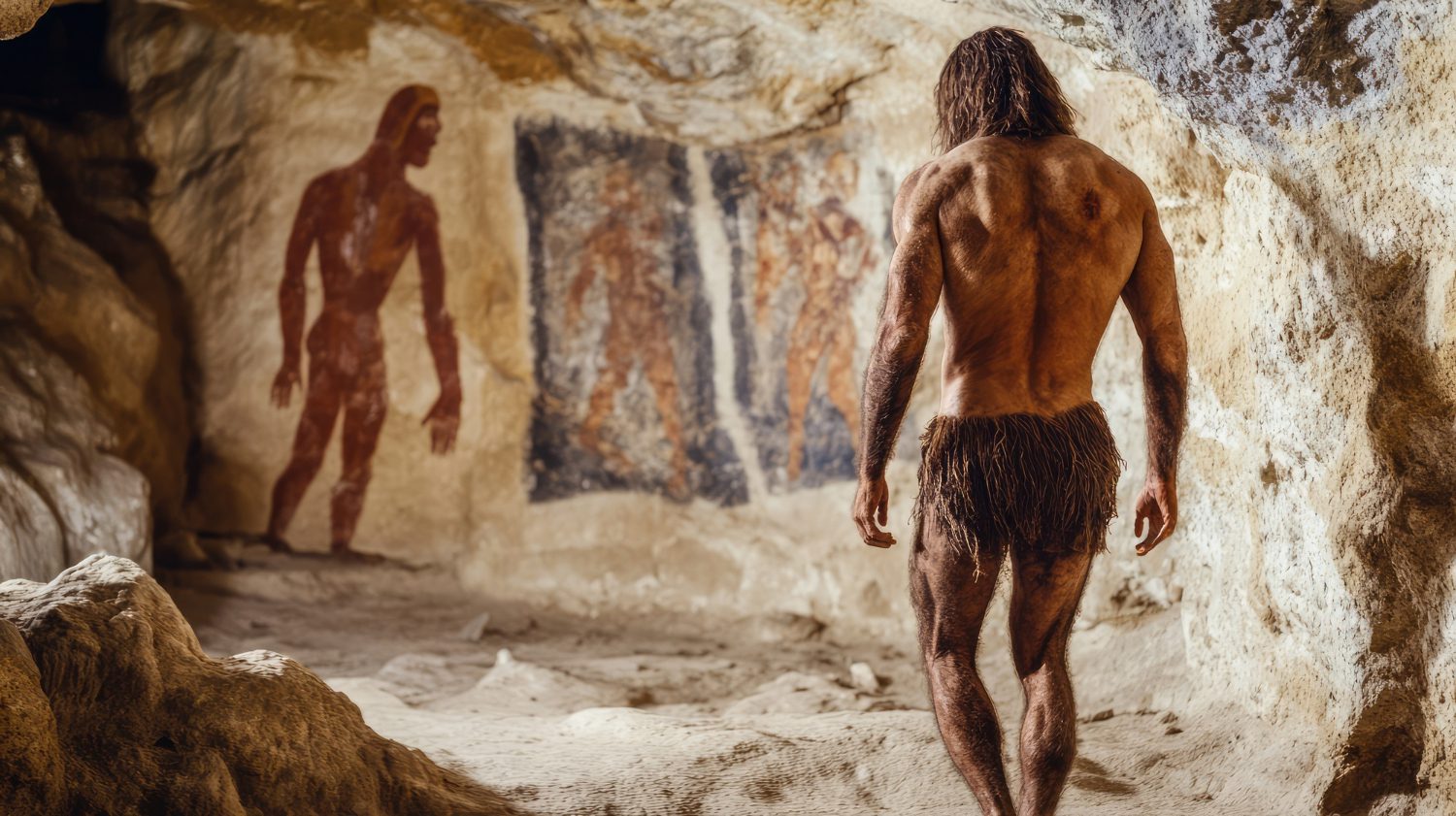
Anthropologists (scientists who study human evolution) say that for 90–99% of human history, people were:
• hunters
• gatherers
• walkers
• workers who used their bodies every day
This means humans moved 6–14 km per day, without planning it.
Your body today was designed during these thousands of years.
It needs:
• walking
• stretching
• lifting
• daily movement
Not sitting.
How Sedentary Life Appeared

Things changed after the Industrial Revolution and especially after 1950: office jobs, long hours at desks, cars and buses more often, screens, sitting all day
For the first time in history, people started spending most of their life sitting.
Why Sedentarism Is the “Disease of the Century”
Long hours of sitting are linked to:
1. back and neck pain
2. poor posture
3. low energy
4. poor circulation
5. higher risk of chronic diseases
Sedentarism stresses the body because it goes against human biology.
Movement supports life. Stillness for too long works against it.
So What Can You Do Today?

The solution is not complicated.
You don’t need to run marathons.
You simply need to move more in the way your body understands.
Aiming for 7,000–10,000 steps a day, choosing stairs when you can, standing a little more, and adding short mobility sessions, all these bring your body back to what it was designed for.
Small choices matter.
And they add up fast.